Embarking on a journey into the world of Jujutsu was an adventure our entire family embraced years ago, a shared commitment to discipline, movement, and an ancient art form that promised not only self-defense skills but also an invigorating new challenge for mind and body. The dojo became a temporary second home, filled with the rhythmic thud of feet on mats, the crisp snap of gis, and the focused energy of students mastering intricate techniques. It was a fascinating season of discovery, witnessing firsthand the profound difference in how various age groups adapted to the demanding curriculum; while the adults grappled with the nuances of body mechanics and the sheer physical exertion, the children seemed to absorb the lessons with an almost effortless grace. Their inherent flexibility, boundless energy, and uninhibited willingness to fall and bounce back made the fundamental elements of Jujutsu – the dynamic rolls, the powerful throws, and the demanding ground work – remarkably accessible to them. Watching them tumble and spring back up with an infectious enthusiasm was a constant reminder of youth’s incredible resilience, a stark contrast to the more cautious, sometimes creaky, approach taken by their older counterparts.
The essence of Jujutsu, with its emphasis on leveraging an opponent’s momentum and controlling their balance, inherently involves close contact and dynamic movement, making it an intensely physical discipline. Whether practicing breakfalls, executing hip throws, or engaging in light sparring that sometimes incorporated mock weapons like wooden swords, the potential for impact and strain was ever-present. These rigorous training sessions, while immensely rewarding and fostering a profound sense of accomplishment, inevitably left their mark. Every session was an education in itself, teaching us about our body’s limits and capacities, often through the undeniable feedback of aches and pains. Bumps, bruises, and a generalized deep-seated muscle soreness became familiar companions, a testament to the intensity of our commitment and the effectiveness of the training. One particular class stands out in memory, a session so intensely focused on throws and rolls that it left every participant, especially the adults, feeling profoundly tenderized and stiff. The cumulative effect of repeated impacts, strenuous muscle engagement, and the stretching of ligaments and tendons pushed our bodies to their absolute limits, culminating in an almost universal post-training stiffness that lingered for days. It was in the aftermath of such physically demanding experiences that the crucial need for effective recovery strategies became unequivocally clear, prompting a deeper exploration into remedies that could soothe tired muscles, expedite healing, and prepare the body for the next challenging session.
The quest for genuine relief and accelerated recovery led us down a fascinating path, exploring traditional wisdom and time-honored remedies that martial artists and athletes have relied upon for centuries to mend their bodies and restore their vitality. Beyond the immediate application of ice or heat, there existed a rich tapestry of natural solutions designed to address the unique trauma associated with high-impact sports and intense physical training. This exploration naturally brought us to the doorstep of ancient healing practices, particularly those rooted in traditional medicine, which often emphasize the power of botanical ingredients and their synergistic effects on the human body. The philosophy behind these traditional approaches often centers on enhancing circulation, reducing inflammation, alleviating pain, and promoting the body’s intrinsic healing mechanisms through natural means. Such remedies are not merely superficial treatments; they represent a holistic understanding of injury and recovery, focusing on revitalizing tissues at a deeper level to ensure sustained physical health and performance.
Among these revered traditional preparations, one particular category stands out for its profound efficacy in the martial arts community: potent herbal liniments, meticulously crafted from a precise blend of therapeutic botanicals. These formulations are specifically designed to penetrate deeply into muscle tissue, promoting circulation, dispelling stagnant blood, and reducing swelling and pain associated with sprains, strains, bruises, and general muscle soreness. It is within this historical context of martial arts and physical recovery that a truly remarkable and historically significant liniment, often referred to as Dit Da Jow, emerges as an exemplary solution. This esteemed preparation, steeped in centuries of martial arts tradition, is more than just a simple muscle rub; it is a complex elixir born from generations of accumulated knowledge, specifically formulated to address the demanding physical toll that practices like Jujutsu can inflict. Dit Da Jow, meaning “fall and hit wine” in Chinese, is legendary among practitioners for its unparalleled ability to aid in the recovery from impact injuries, contusions, and the profound muscle fatigue that accompanies rigorous training. Its very name speaks to its purpose: to provide potent relief and facilitate rapid healing after the inevitable bumps, falls, and strenuous exertions inherent in martial arts.
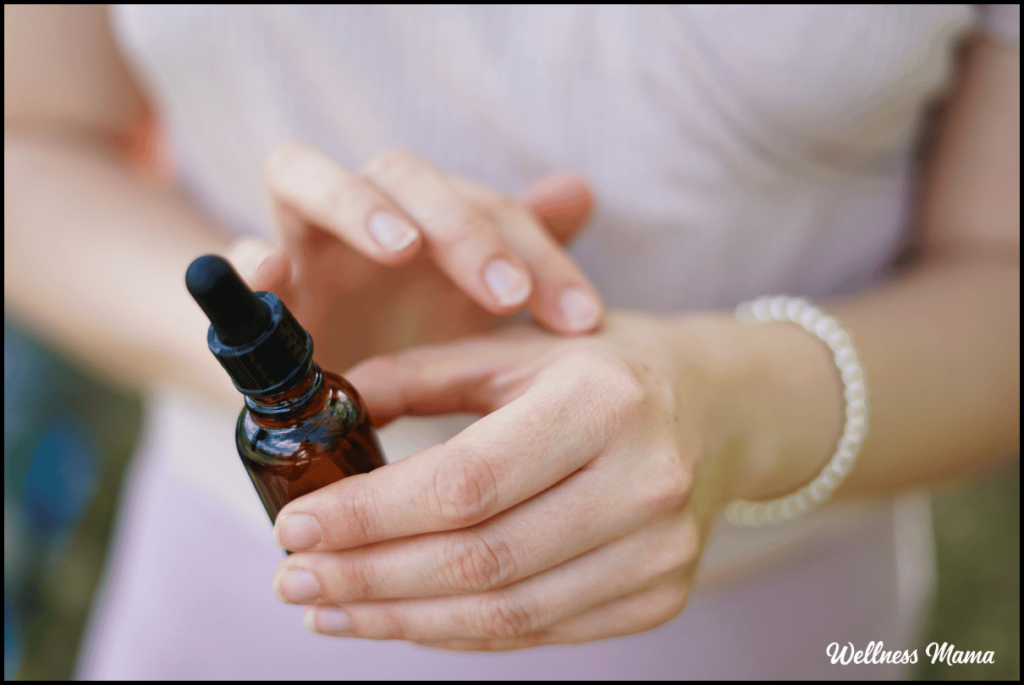
The carefully selected herbs within a traditional Dit Da Jow formula work in concert, each contributing distinct therapeutic properties that create a powerful synergistic effect. Ingredients often include warming herbs to invigorate blood flow and clear stagnation, anti-inflammatory herbs to reduce swelling and pain, and analgesic herbs to provide targeted relief. This sophisticated blend is typically steeped in alcohol for an extended period, allowing the medicinal compounds to be fully extracted and concentrated, creating a potent liquid that is then topically applied to the affected areas. The sensation upon application is often immediate and invigorating, a deep warmth or a cooling tingle that signifies the active ingredients penetrating the skin and reaching the underlying tissues. This deep penetration is crucial for delivering the herbal compounds directly to the site of injury or soreness, where they can work their magic to accelerate the healing process. For martial artists, who regularly subject their bodies to intense stress and potential injury, having access to such a powerful restorative agent can make a significant difference in their ability to maintain consistent training schedules, push their physical limits safely, and ensure long-term physical well-being.
The philosophical underpinnings of using a remedy like Dit Da Jow extend beyond mere symptom relief; it embodies a commitment to holistic self-care and a profound respect for the body’s natural healing capabilities. It represents an ancient secret, passed down through generations, a testament to the enduring wisdom of traditional medicine in supporting athletic prowess and physical resilience. By harnessing the potent power of nature’s pharmacopoeia, practitioners can not only alleviate immediate discomfort but also contribute to the overall health and structural integrity of their muscles, tendons, ligaments, and joints. This preventative and restorative approach helps to build a more robust and resilient body, capable of withstanding the rigors of demanding physical activity with greater ease and fewer setbacks. The consistent use of such a liniment after intense training sessions can significantly reduce recovery time, minimize the debilitating effects of muscle soreness, and prevent minor injuries from escalating into more serious conditions, thereby allowing individuals to continue their journey of physical mastery and self-improvement without undue interruption.
The experience of our family in Jujutsu truly underscored the critical importance of mindful recovery and proactive body care. While the joy of learning and the thrill of physical challenge were immense, the physical demands were equally profound, necessitating a conscious effort to support our bodies’ recuperation processes. Discovering and understanding the immense benefits of traditional remedies like Dit Da Jow opened our eyes to a richer, more holistic approach to managing the physical tolls of an active life. It highlighted how ancient wisdom, when applied thoughtfully, can provide incredibly effective solutions for modern challenges, whether from intense martial arts training, strenuous sports, or simply the everyday demands placed on our bodies. This realization transformed our approach to post-workout care, shifting it from a reactive response to discomfort to a proactive strategy for maintaining peak physical condition. The integration of such natural, potent liniments into our post-training regimen became not just a way to soothe aches but a vital component of our overall wellness strategy, fostering greater endurance, enhancing flexibility, reducing stiffness, and ultimately contributing to a more sustained and joyful engagement with physical activity.
In essence, the path through martial arts, particularly one as physically demanding as Jujutsu, is a journey of continuous learning, not just about combat techniques, but about the body’s incredible capacity for both exertion and recovery. The inevitable bumps and bruises along the way serve as poignant reminders of our physicality, underscoring the universal need for effective, compassionate self-care. It is in these moments of post-training soreness, when muscles ache and joints feel stiff, that the profound wisdom of traditional remedies truly shines. The comforting warmth and therapeutic penetration of a quality herbal liniment, like the renowned Dit Da Jow, transcends mere pain relief; it becomes a ritual of healing, a bridge connecting ancient botanical knowledge with contemporary athletic needs. This powerful synergy allows individuals to push their limits, embrace new challenges, and recover with resilience, ensuring that the passion for movement and mastery can endure, class after class, season after season, forging not just stronger bodies, but also a deeper appreciation for the intricate dance between effort, injury, and the remarkable capacity for natural healing. It is a testament to the enduring power of traditional solutions in fostering vitality, promoting sustained physical well-being, and empowering active lifestyles for generations to come.