Delving into the intricate world of women’s health invariably leads to a profound exploration of hormones, those powerful chemical messengers orchestrating an astounding array of bodily functions and profoundly shaping a woman’s entire life experience. From the first blush of puberty to the wisdom of post-menopause, hormonal fluctuations are an ever-present force, subtly, or sometimes dramatically, dictating daily realities. Many women, at various stages of their journey, find themselves confronting a perplexing symphony of subtle changes that spark a cascade of urgent questions and deep personal introspection. Perhaps it’s the sudden, unsettling struggle to achieve restful sleep, leaving one feeling perpetually drained and irritable, or the bewildering swing of unpredictable moods that feel entirely uncharacteristic, transforming familiar emotional landscapes into uncharted territory. Then there are the deeply personal concerns about inconsistent cycles, once a reliable rhythm, now a source of anxiety and confusion, prompting worries about fertility, overall well-being, and the underlying mechanisms at play within the body. These experiences naturally ignite a crucial internal dialogue: Is this phenomenon I’m observing the onset of perimenopause, that often mysterious transitional phase leading to menopause? Is there something inherently wrong with my body’s natural processes, signaling a deeper imbalance that requires immediate attention? And, perhaps the most pressing question for many seeking relief and clarity, should I seriously consider hormone replacement therapy, or HRT, as a potential pathway to regaining balance and vitality? These are not trivial inquiries but fundamental considerations that speak to a woman’s deepest desire for understanding, comfort, and control over her own health destiny. The journey to comprehending these complex hormonal shifts and the myriad of options available is often multifaceted, requiring a blend of scientific insight, personal narrative, and an open mind to both conventional and holistic approaches. Understanding the nuances of hormonal health goes far beyond simply alleviating symptoms; it’s about reclaiming a sense of self, optimizing longevity, and ensuring a vibrant quality of life through every single stage of womanhood.
The initial whispers of change often manifest subtly, perhaps as a fleeting thought that something feels slightly off, a departure from the familiar equilibrium. Over time, these whispers can grow louder, evolving into persistent challenges that significantly impact daily living. Trouble sleeping is a particularly pervasive complaint, manifesting not just as difficulty falling asleep but also as frequent nighttime awakenings, often accompanied by drenching night sweats that leave sheets soaked and energy depleted. This chronic sleep deprivation creates a domino effect, exacerbating other symptoms and further clouding cognitive function. Unpredictable moods can range from inexplicable irritability and heightened anxiety to profound sadness and even depressive episodes, making it challenging to maintain stable relationships, professional productivity, and personal happiness. These mood shifts, often described as riding an emotional rollercoaster, are a direct reflection of fluctuating hormone levels, particularly estrogen and progesterone, which significantly influence neurotransmitters in the brain responsible for mood regulation. Inconsistent cycles, ranging from shorter, heavier periods to prolonged spotting or completely missed cycles, are another hallmark sign that the delicate hormonal balance is shifting. These irregularities can be distressing, causing concern about reproductive health and signaling the approach of perimenopause, a phase that can span anywhere from a few years to over a decade. Beyond these primary concerns, many women also report a constellation of other symptoms including unexplained weight gain, particularly around the midsection, a persistent struggle to shed pounds despite consistent effort; a noticeable decline in libido and increased vaginal dryness, impacting intimacy and comfort; perplexing brain fog, making concentration and memory challenging; joint pain and stiffness, often dismissed as aging but potentially linked to hormonal changes; changes in skin texture and hair thinning; and even digestive upset, which can be surprisingly sensitive to hormonal fluctuations. Each of these symptoms, whether isolated or in combination, contributes to a sense of unease and prompts the fundamental question: what is truly happening within my body, and how can I navigate these changes with grace and informed decision-making?
The query, “Is this perimenopause?”, resonates deeply because it marks a significant threshold in a woman’s life, a transitional period often fraught with more uncertainty and varied experiences than menopause itself. Perimenopause, meaning “around menopause,” is characterized by hormonal fluctuations that are far from linear, creating an unpredictable landscape of symptoms. Estrogen and progesterone levels can surge and plummet erratically, leading to the intense and often contradictory experiences that define this phase. Understanding that perimenopause is a natural biological process, not an illness, is crucial, yet its symptoms can be profoundly disruptive. It’s the body’s way of gradually winding down its reproductive capabilities, but the journey itself can feel anything but gradual or gentle. For some, symptoms are mild and manageable; for others, they are debilitating, impacting every facet of life. This variability underscores the importance of personalized approaches to care and the need for women to feel empowered to advocate for their unique experiences. The underlying question, “Is something wrong?”, frequently accompanies these symptoms, fueled by a societal tendency to medicalize natural biological processes or, conversely, to dismiss women’s health concerns as ‘just hormones.’ It’s vital for women to understand that while hormonal changes are natural, the severity of symptoms can warrant investigation and support. Distinguishing between normal physiological shifts and potential underlying health issues requires careful attention and professional guidance. Conditions such as thyroid dysfunction, adrenal fatigue, nutritional deficiencies, or chronic stress can mimic hormonal imbalance symptoms, making a comprehensive evaluation essential to rule out other causes and ensure appropriate management. This nuanced understanding empowers women to seek not just symptom relief, but also a deeper comprehension of their overall health profile, ensuring that any interventions are truly targeted and beneficial.
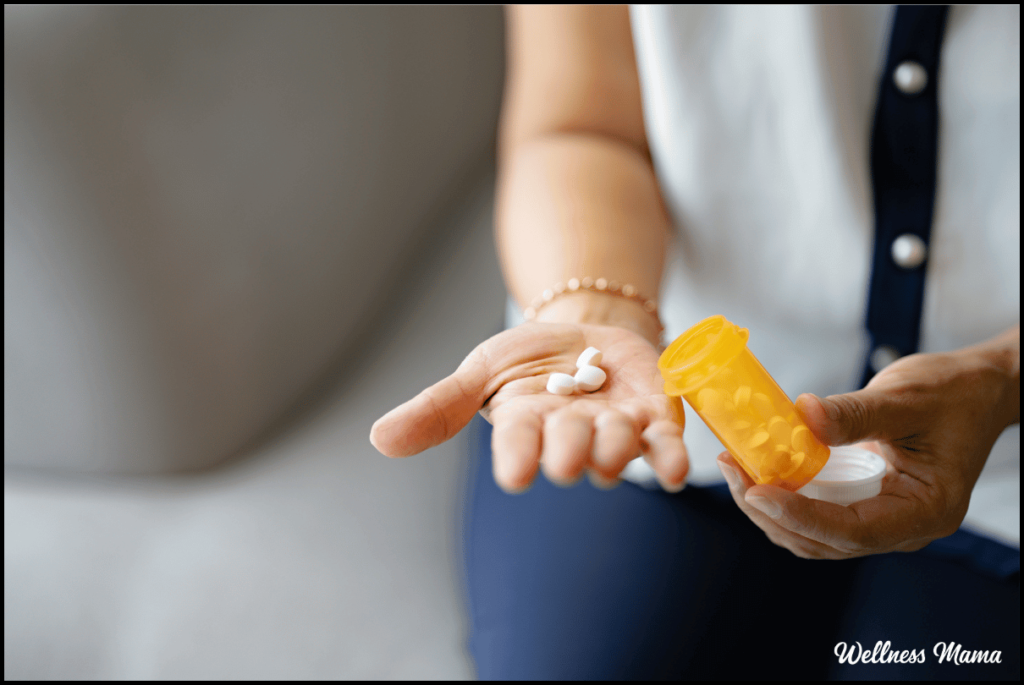
Against this backdrop of complex symptoms and pressing questions, the discussion invariably turns to hormone replacement therapy, or HRT, a medical intervention that has undergone significant evolution in public perception and scientific understanding. For decades, HRT was widely prescribed as a panacea for menopausal symptoms, then faced considerable backlash due to studies highlighting potential risks, and is now experiencing a resurgence with more nuanced applications and formulations. The question, “Should I consider hormone replacement therapy?”, is deeply personal and multifaceted, requiring careful consideration of individual health history, symptom severity, lifestyle, and personal risk tolerance. HRT typically involves supplementing the body with estrogen, and often progesterone, to alleviate symptoms caused by declining ovarian hormone production. The potential benefits are compelling: significant relief from hot flashes and night sweats, improved sleep quality, a reduction in mood swings and anxiety, reversal of vaginal dryness and discomfort, enhanced bone density to prevent osteoporosis, and potentially even cognitive benefits. For many women experiencing severe, debilitating symptoms that significantly impair their quality of life, HRT can offer a transformative return to normalcy, allowing them to reclaim their energy, focus, and overall well-being. The relief from pervasive symptoms can be profound, enabling women to participate more fully in their careers, relationships, and personal passions. Furthermore, modern HRT formulations and delivery methods, such as transdermal patches, gels, or low-dose vaginal estrogens, often offer different risk profiles and personalized options compared to earlier oral preparations.
However, a thorough exploration of HRT necessitates an equally frank discussion of its potential risks and contraindications. The historical controversies surrounding HRT, particularly concerns about increased risks of certain cancers, cardiovascular events, and stroke, cannot be ignored. While more recent research and refined prescribing guidelines have offered greater clarity, these risks remain a crucial part of the decision-making process. For example, the risk of breast cancer associated with combined estrogen and progesterone therapy, especially with long-term use, is a significant concern for many women. Similarly, a slight increase in the risk of blood clots, stroke, and heart disease must be weighed against the potential benefits, particularly in women with pre-existing cardiovascular risk factors. It is paramount that any woman considering HRT engage in an extensive, open, and honest dialogue with a knowledgeable healthcare provider who specializes in menopausal health. This consultation should meticulously review her complete medical history, family history, lifestyle, and individual risk factors to determine if HRT is a safe and appropriate option. Factors such as age at initiation of therapy, type of hormones used, dosage, and duration of treatment all play a critical role in optimizing benefits while minimizing risks. For instance, initiating HRT closer to the onset of menopause (within 10 years or before age 60) generally carries a more favorable risk-benefit profile. Understanding the different types of estrogen (e.g., estradiol, conjugated estrogens) and progestogens (e.g., micronized progesterone, synthetic progestins) available, along with their respective pros and cons, is also vital for an informed choice. The decision should never be made lightly but rather as a carefully considered, shared decision between the woman and her doctor, continuously reassessed over time.
Beyond the realm of conventional HRT, a growing number of women are exploring a diverse landscape of alternative and complementary approaches to manage hormonal changes, either in conjunction with or as an alternative to hormone therapy. These strategies often emphasize a holistic perspective, recognizing that hormonal balance is intricately linked to overall lifestyle and environmental factors. Dietary interventions play a pivotal role, focusing on nutrient-dense, whole foods that support hormone production, liver detoxification, and gut health. This includes consuming an abundance of organic fruits and vegetables, lean proteins, healthy fats (like omega-3s), and fiber-rich foods, while minimizing processed sugars, refined carbohydrates, and inflammatory agents. Specific nutrients, such as magnesium, B vitamins, vitamin D, and various antioxidants, are crucial for hormonal synthesis and function. Lifestyle modifications are equally powerful; regular physical activity, including a combination of aerobic exercise, strength training, and flexibility work, can significantly improve mood, sleep, bone density, and metabolic health. Stress management techniques are non-negotiable, given that chronic stress can wreak havoc on adrenal glands and disrupt the delicate balance of sex hormones. Practices like mindfulness meditation, yoga, deep breathing exercises, spending time in nature, and prioritizing adequate rest can profoundly impact hormonal well-being. Herbal remedies and natural supplements also garner significant interest, with ingredients like black cohosh, red clover, dong quai, maca root, ashwagandha, and evening primrose oil often sought after for their potential to alleviate specific menopausal symptoms. However, it is crucial to approach these natural alternatives with caution, seeking guidance from qualified practitioners, as herbs can interact with medications and have their own contraindications. The emphasis on gut health is another area gaining traction, as a healthy microbiome is essential for estrogen metabolism and overall hormonal equilibrium. Probiotics, prebiotics, and fermented foods are often incorporated into comprehensive hormone-balancing protocols. Each of these non-pharmacological interventions offers a pathway to support the body’s innate ability to adapt and find balance, providing women with a broader spectrum of choices tailored to their personal philosophies and needs.
Ultimately, the journey through hormonal transitions is deeply personal, with no one-size-fits-all solution. The overarching goal is always to enhance quality of life, mitigate distressing symptoms, and promote long-term health. Whether a woman chooses to pursue conventional hormone replacement therapy, embraces a purely holistic approach, or opts for a combination of strategies, the most important aspect is making an informed decision rooted in self-awareness, comprehensive knowledge, and ongoing collaboration with trusted healthcare professionals. This involves asking insightful questions, seeking second opinions if necessary, and continuously re-evaluating the chosen path as circumstances and understanding evolve. Empowering oneself with accurate information about the benefits, risks, and alternatives is crucial for navigating this complex landscape. The conversation around women’s health, hormones, and menopause has moved far beyond outdated narratives of decline, evolving into a vibrant dialogue about empowerment, vitality, and personalized well-being. By actively engaging with their own bodies, listening to their inner wisdom, and exploring the full spectrum of available options, women can navigate these transformative years with confidence, resilience, and a profound sense of agency, ensuring that every stage of life is lived with optimal health and enduring joy. This proactive approach transforms a potentially challenging period into an opportunity for deeper self-care, robust health, and a renewed commitment to a thriving future.